Gaming news moves quickly. A surprise game reveal, major patch, studio acquisition, or release date announcement can spread across the internet within minutes. The challenge isn’t finding gaming news—it’s finding reliable information without spending hours scrolling through social media.
This guide explains how to build a simple system for keeping up with gaming news, from official announcements to trusted community discussions. Whether you’re interested in AAA releases, indie games, esports, or hardware, these strategies will help you stay informed while avoiding rumors and misinformation.
Why Keeping Up With Gaming News Matters
Following gaming news isn’t just about learning what’s coming next.
It helps you:
- discover upcoming releases before launch
- prepare for beta tests and demos
- learn about important game updates
- follow hardware announcements
- understand industry trends
- find new games that match your interests
- avoid missing limited-time events
Instead of reacting to every headline, a structured approach makes it easier to focus on the information that actually matters to you.
Where Gaming News Comes From
Understanding the source of gaming news helps you judge its reliability.
| Source | Best For | Reliability |
|---|---|---|
| Official developer websites | Game announcements | Very High |
| Publisher blogs | Updates and roadmaps | Very High |
| Official social accounts | Breaking news | High |
| Gaming news websites | Daily coverage | High (varies by publication) |
| YouTube creators | Analysis and opinions | Medium |
| Reddit communities | Community discussion | Medium |
| Leakers and rumors | Speculation | Low until confirmed |
The safest approach is to treat unofficial reports as speculation until developers or publishers confirm them.
Build a Daily Gaming News Routine
You don’t need to monitor dozens of websites throughout the day.
A simple routine works better.
Morning
Spend five to ten minutes checking:
- major gaming headlines
- official publisher announcements
- overnight updates
During the Day
Use notifications only for:
- favorite developers
- gaming showcases
- release dates
- patch notes
Avoid enabling notifications from every news source. Too many alerts quickly become noise.
Weekly
Once a week, catch up on:
- feature articles
- game previews
- interviews
- industry analysis
This combination keeps you informed without information overload.
Follow Official Sources First
Many news stories originate directly from developers or publishers.
Examples include:
- update announcements
- maintenance notices
- expansion reveals
- gameplay trailers
- release date confirmations
Reading official announcements first reduces the chance of misunderstanding information that may later be summarized—or misrepresented—by others.
Choose Trusted Gaming News Websites
A balanced mix of news sources provides broader coverage.
Look for websites that consistently:
- cite official announcements
- separate rumors from confirmed news
- update breaking stories when new information becomes available
- clearly identify opinion pieces
- provide context instead of repeating press releases
Avoid relying on a single publication. Comparing multiple trusted outlets often leads to a more complete understanding of major stories.
Use Reddit for Community Insight
Reddit isn’t always the fastest place for breaking news, but it excels at community discussion.
Players often highlight:
- hidden patch changes
- technical issues
- optimization problems
- accessibility improvements
- gameplay discoveries
Remember that popular opinions aren’t always accurate. Treat community discussions as useful context rather than verified facts.
YouTube Is Best for Analysis, Not Breaking News
Video creators often provide:
- gameplay breakdowns
- developer interviews
- lore explanations
- hardware reviews
- industry commentary
While these videos can add valuable insight, breaking news is usually available in text form much earlier.
If your goal is speed, check official announcements first and watch videos later for deeper analysis.
Newsletters Can Save Time
Newsletters gather important stories into one email, reducing the need to visit multiple websites every day.
A good newsletter should:
- summarize major headlines
- link to original sources
- avoid excessive promotional content
- provide useful context
For readers with limited time, this can be one of the most efficient ways to stay informed.
Don’t Ignore Patch Notes
Many players focus only on new game announcements.
However, patch notes often contain:
- gameplay balance changes
- bug fixes
- quality-of-life improvements
- performance updates
- new content
If you actively play live-service games, patch notes are often more valuable than general news coverage.
Verify Breaking News Before Sharing
Gaming rumors spread quickly.
Before sharing a story:
- Check whether the developer has confirmed it.
- Read the original announcement. Compare coverage from multiple reputable outlets.
- Look for direct quotes instead of screenshots.
- Treat leaks as unconfirmed until verified.
This simple habit dramatically reduces the spread of misinformation.
Tools That Make Following Gaming News Easier
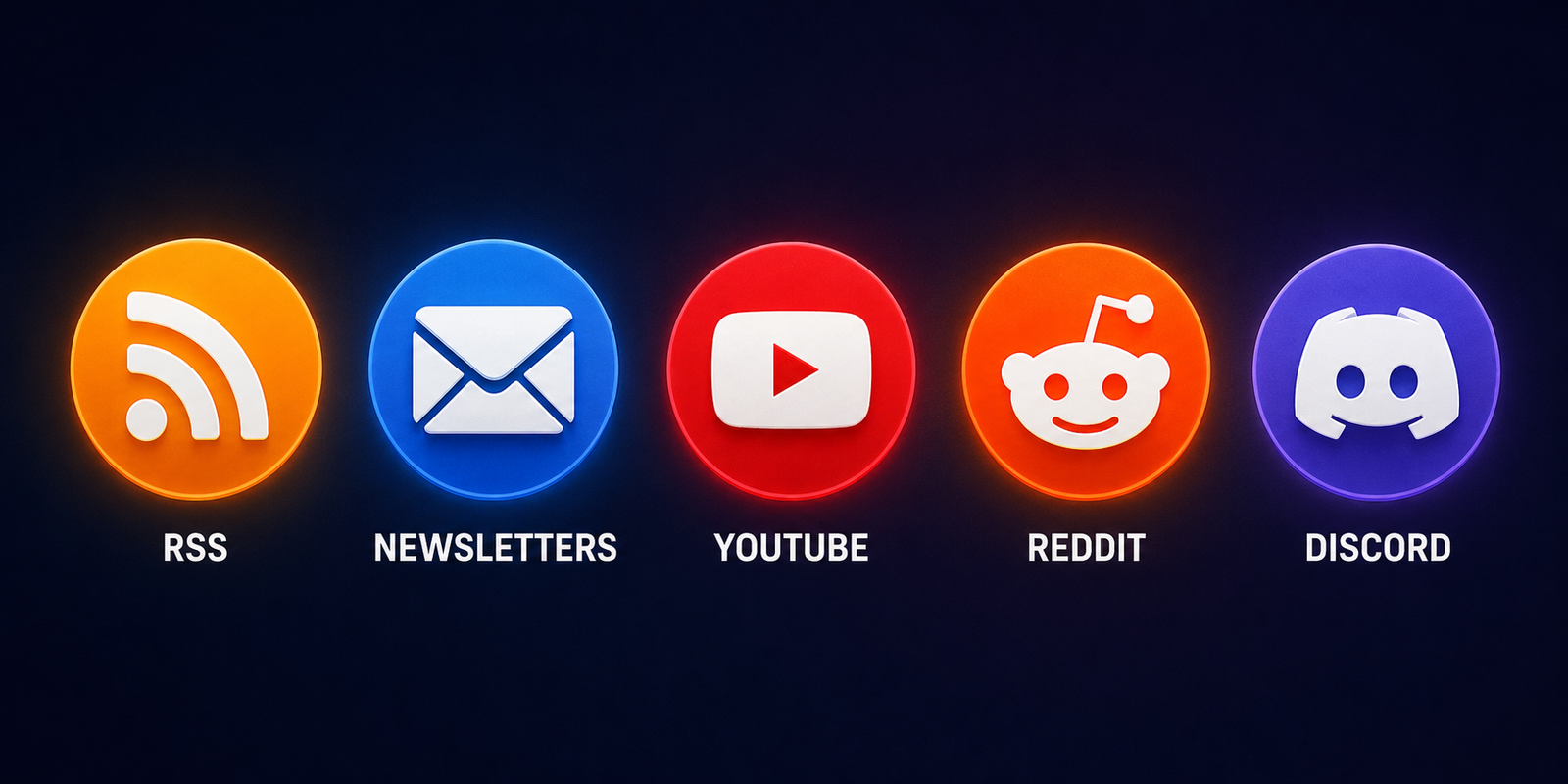
| Tool | Best Use |
|---|---|
| RSS reader | Follow multiple news sites in one place |
| Email newsletters | Daily summaries |
| Discord servers | Community updates |
| YouTube subscriptions | Reviews and analysis |
| Community discussion | |
| Browser bookmarks | Official developer pages |
| Mobile notifications | Major announcements only |
Each serves a different purpose. Combining several tools creates a more reliable news workflow.
Common Mistakes to Avoid
Following Too Many Sources
More sources don’t always mean better information. Focus on quality over quantity.
Trusting Every Leak
Even credible leakers have been wrong. Wait for confirmation before treating rumors as facts.
Ignoring Official Sources
Secondary reporting is helpful, but official announcements remain the most reliable reference.
Chasing Every Headline
Not every story deserves your attention. Prioritize games, genres, and developers that interest you.
A Simple Gaming News Workflow
If you’re starting from scratch, this workflow keeps things manageable:
| Frequency | What to Check |
|---|---|
| Daily | Major gaming headlines |
| Daily | Official developer announcements |
| Weekly | Industry analysis |
| Weekly | Upcoming release calendars |
| When Needed | Patch notes for games you actively play |
This routine covers the most important information without becoming overwhelming.
Final Thoughts
Keeping up with gaming news doesn’t require spending hours refreshing social media feeds. The most effective approach combines official announcements, trusted news coverage, thoughtful community discussion, and selective notifications.
Rather than trying to consume every headline, focus on building a repeatable system that fits your interests. Prioritizing reliable sources, verifying major announcements, and checking in consistently will help you stay informed while avoiding unnecessary noise.
Frequently Asked Questions
What is the best way to keep up with gaming news?
The most effective approach combines official developer announcements, reputable gaming news websites, newsletters, and community discussions. Checking trusted sources once or twice a day is usually enough to stay informed.
How can I avoid gaming news misinformation?
Verify breaking stories through official developer channels, compare multiple reputable publications, and treat rumors or leaks as unconfirmed until they receive official confirmation.
Should I rely on Reddit for gaming news?
Reddit is excellent for community reactions, gameplay discoveries, and discussions, but it should complement—not replace—official announcements and established news outlets.
Are YouTube creators reliable sources?
Many creators provide valuable analysis and reviews, but they often report on news after official announcements. Use them for deeper context rather than as your primary source for breaking news.
How often should I check gaming news?
For most players, checking once or twice a day is sufficient. Weekly reviews can help catch longer features, interviews, and industry trends without creating information overload.